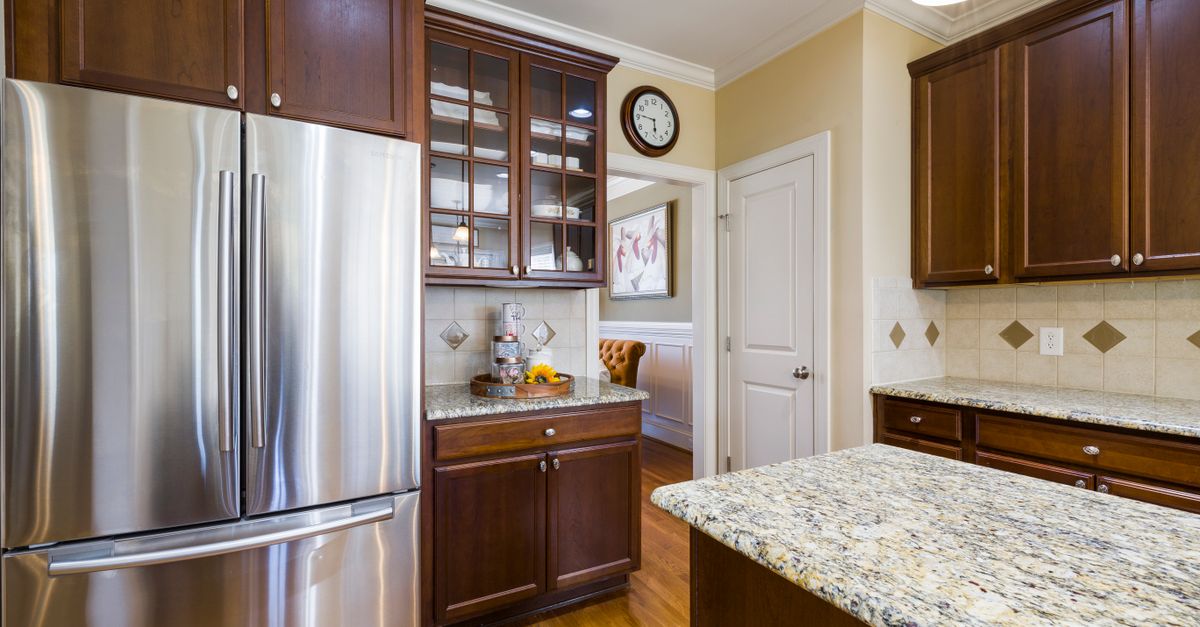
The Benefits of Sustainable Finishes for Cabinetry Projects
Table Of Contents
Market Demand for Sustainable Cabinetry
Consumer awareness regarding environmental issues has significantly increased in recent years. Many individuals are now prioritizing sustainable practices in various aspects of their lives, including home renovations and furniture choices. As a result, cabinetry made from eco-friendly materials is experiencing a surge in demand. This shift reflects a growing desire for products that contribute positively to the environment while maintaining aesthetic and functional appeal.
Manufacturers in the woodworking and cabinetry industry are responding to this trend by innovating and offering sustainable finishes. These products not only cater to environmentally conscious consumers but also align with the broader shift toward greener building practices. As more people recognize the benefits of sustainable cabinetry, including its potential to reduce carbon footprints and promote healthier living spaces, the market is likely to see continued growth in this sector.
Trends in Consumer Preferences
Homeowners increasingly prioritize environmentally friendly options when selecting cabinetry for their spaces. This shift in focus stems from a growing awareness of the ecological impacts associated with traditional materials and finishes. Consumers are actively seeking products that reflect their values, often opting for items made from sustainable resources. Additionally, the appeal of unique, natural wood grains and finishes enhances the aesthetic value of sustainable cabinetry, aligning personal taste with responsible choices.
Many buyers are also influenced by the transparency of sourcing and manufacturing processes provided by brands. They appreciate companies that share information about their environmental practices and the certifications their products carry. Such insights contribute to building trust and loyalty among consumers, who are more inclined to support brands that align with their sustainability goals. This trend highlights the importance of not just offering sustainable products but also effectively communicating their benefits and provenance.
Durability of Sustainable Finishes
Sustainable finishes offer impressive durability, often on par with traditional options. Many of these products utilize advanced technology and eco-friendly materials that enhance their resistance to wear and tear. This resilience is not just about extending the life of cabinets; it also reduces the need for frequent refinishing or replacement, making it a smart choice in the long run.
In addition to being durable, sustainable finishes contribute to healthier indoor environments. They often contain lower levels of volatile organic compounds (VOCs), which can help improve air quality. Homeowners may find that the longevity of these finishes translates into less hassle and lower maintenance costs, reinforcing their appeal in both residential and commercial settings.
Longevity Compared to Traditional Options
Sustainable finishes are designed with longevity in mind, often outlasting traditional options due to their advanced formulations and eco-friendly technologies. Many of these finishes rely on natural ingredients that offer excellent resistance to wear and tear, ensuring that cabinetry maintains its aesthetic appeal and structural integrity over time. Homeowners who opt for these products frequently discover that their cabinets not only look good longer but also require less maintenance than those treated with conventional finishes.
In addition to durability, the performance of sustainable finishes aligns closely with the evolving needs of consumers looking for lasting quality. Homeowners are increasingly aware that sustainability and longevity can go hand-in-hand, contributing to a more cost-effective investment in the long run. By choosing sustainable options, consumers position themselves to enjoy the benefits of longevity without compromising on environmental values.
Compliance with Regulations and Standards
The increasing importance of environmental responsibility in the manufacturing sector has led to stricter regulations regarding the use of materials in cabinetry projects. Many regions now enforce guidelines aimed at reducing emissions and promoting sustainable practices. Companies that prioritizing compliance not only enhance their marketability but also contribute to a healthier ecosystem. Adhering to these standards can help avoid legal issues and fines, creating a safer framework for both producers and consumers.
Manufacturers often seek certifications that verify their products meet established environmental criteria. Certifications such as the Forest Stewardship Council (FSC) and Green Seal signify a commitment to sustainable practices and safety. These labels can boost consumer confidence, as they indicate that the materials used in finishes are responsibly sourced. Meeting these regulations not only benefits the environment but also positions cabinetry projects as forward-thinking solutions in a competitive marketplace.
Meeting Industry Guidelines
Adhering to established regulations is essential for companies involved in cabinetry projects. Sustainable finishes often meet stringent environmental standards, making them an attractive choice for manufacturers looking to enhance their marketability. These guidelines typically focus on factors such as VOC emissions, material sourcing, and overall ecological impact. By choosing sustainable options, businesses can align their practices with these regulations, positioning themselves as responsible contributors to the industry.
Many certifications exist within the cabinetry sector that recognize the importance of eco-friendly materials. Certifications such as GREENGUARD and Forest Stewardship Council (FSC) provide credibility for products that comply with sustainability standards. Displaying these certifications can significantly enhance a brand's reputation among environmentally conscious consumers. Compliance with such guidelines not only helps in meeting legal requirements but also fosters trust and loyalty among customers seeking to make informed purchasing decisions.
FAQS
What are sustainable finishes in cabinetry?
Sustainable finishes are eco-friendly products used to protect and enhance cabinetry, made from renewable resources or non-toxic materials that minimize environmental impact.
Why is there a growing market demand for sustainable cabinetry?
The increasing awareness of environmental issues and a shift towards sustainable living have led consumers to seek cabinetry options that align with their values, driving demand for sustainable finishes.
How do sustainable finishes compare to traditional finishes in terms of durability?
Sustainable finishes are designed to be durable and long-lasting. Many outperform traditional finishes in terms of resistance to wear and tear, while also providing a safer option for indoor air quality.
Are sustainable finishes compliant with industry regulations?
Yes, sustainable finishes often meet or exceed industry regulations and standards, including low VOC emissions, which contribute to healthier indoor environments and compliance with environmental guidelines.
What trends are influencing consumer preferences for sustainable cabinetry?
Consumers are increasingly prioritizing health, environmental responsibility, and transparency in product sourcing, driving trends toward sustainable finishes that align with these values.
Related Links
Transformative Effects of Patterned Laminate in Cabinet DesignHow to Incorporate Metal Accents into Cabinet Finishing
Creative Uses of Glass in Cabinet Finishing Options
Enhancing Home Aesthetics with Unique Textured Cabinet Designs
The Role of High-Gloss Finishes in Luxury Kitchen Designs