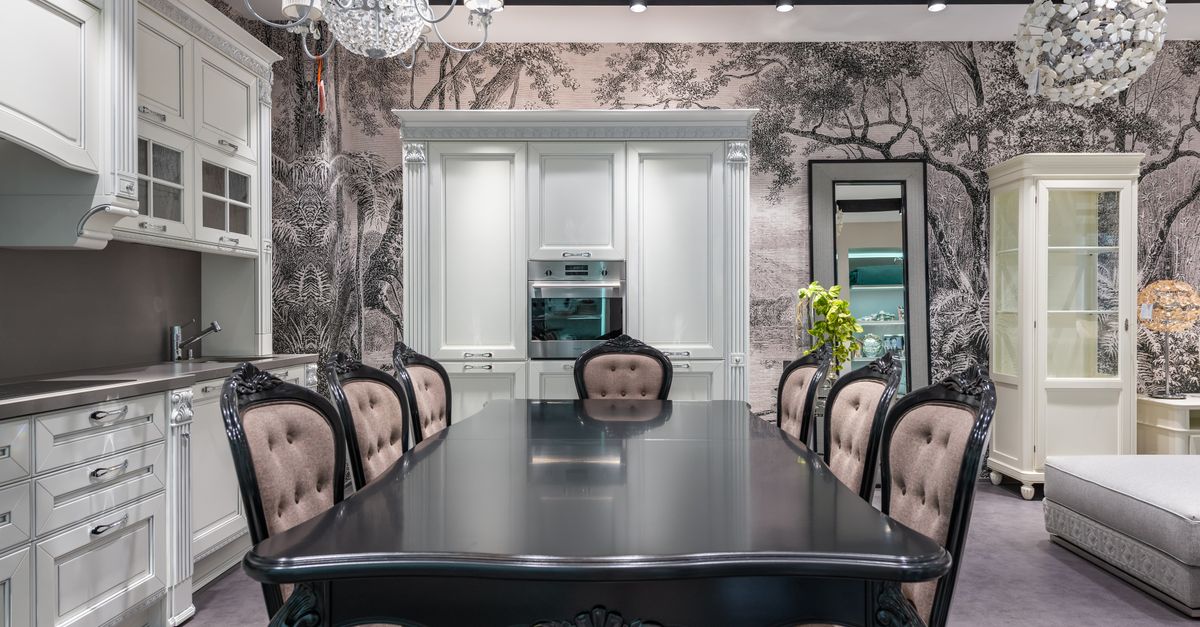
Enhancing Home Aesthetics with Unique Textured Cabinet Designs
Table Of Contents
Custom vs. Pre-made Cabinet Options
When considering cabinetry for home aesthetics, homeowners often face a choice between custom and pre-made options. Custom cabinets offer the benefit of personalized designs tailored to specific needs and preferences. They allow homeowners to select materials, finishes, and colors, creating a unique look that harmonizes with the home’s overall style. However, this level of customization typically comes with a higher price tag and longer lead times.
On the other hand, pre-made cabinets provide a more budget-friendly alternative, with many manufacturers offering a variety of styles and finishes. This option is convenient, as pre-made cabinets can often be purchased quickly and installed without extensive delays. The trade-off lies in the limitations of design and sizes available, which may not suit every homeowner's vision. Balancing budget constraints with design aspirations plays a crucial role in this decision.
Pros and Cons of Each Choice for Homeowners
Choosing between custom and pre-made cabinets involves weighing several factors that can significantly influence design and functionality. Custom cabinets offer a unique advantage as they allow homeowners to tailor designs to specific tastes and space requirements. This means greater control over materials, colors, and textures, resulting in a truly personalized aesthetic. However, the development process can be time-consuming and often comes with a higher price tag, making financial considerations an important part of the decision.
On the other hand, pre-made cabinets present a cost-effective and convenient option that appeals to many homeowners. These cabinets typically come with shorter lead times, allowing for quicker installations and reduced stress during remodeling projects. The downside is that the range of styles and finishes may be more limited, potentially sacrificing some uniqueness in favor of accessibility. This can be a crucial factor for those aiming to achieve a distinctive look that stands out within their home.
Maintenance Tips for Textured Cabinets
Textured cabinets can enhance the visual appeal of a kitchen or bathroom, but they require regular maintenance to preserve their beauty. Use a soft cloth or microfiber towel for cleaning to avoid scratching the surface. Mild dish soap mixed with warm water is effective for removing dirt and grime. Steer clear of abrasive cleaners, as they may damage the texture. For deeper cleaning, consider using a gentle scrub brush on areas that collect more dirt, like the grooves and corners.
Routine inspections can help identify any wear and tear early on. Check for any fading or peeling, especially in areas exposed to direct sunlight. If you notice any wear, touch-up paint or sealant can often restore the finish. Avoid excessive moisture around these cabinets, as this can lead to warping or mold. Keeping an eye on the environment will ensure that your textured cabinets remain in excellent condition for years to come.
Keeping Your Cabinets Looking Fresh and New
Textured cabinets can add a unique charm to any space, but maintaining their appearance requires regular care. Dusting surfaces routinely helps prevent dirt buildup. A gentle cleaning solution can keep the textures from becoming dull. Avoid using harsh chemicals or abrasive tools, as they can damage the finish and lessen the distinctiveness of the design. For stubborn stains, a soft cloth and mild soap will suffice.
In addition to routine cleaning, consider applying a protective sealant to enhance durability. This can prevent moisture infiltration, particularly in kitchens and bathrooms where humidity is higher. Regular maintenance inspections can catch potential issues before they become larger problems. Paying attention to the small details, such as hinges and hardware, will also contribute to the overall look of the cabinetry. Keeping everything in working order ensures that the cabinets remain as striking as when they were first installed.
The Impact of Lighting on Textured Surfaces
Lighting plays a crucial role in how textured cabinet surfaces are perceived within a space. The right light source can enhance the natural characteristics of materials, highlighting patterns and unique finishes. For instance, warm lighting often creates a cozy ambiance, making wood grains more pronounced and inviting. In contrast, cooler light can give a sleek look to modern finishes. Homeowners should consider the type of lighting used in their kitchens or living areas to ensure their cabinets reflect the desired mood.
Different lighting angles also influence the visibility of texture. Direct overhead lighting can cast shadows and draw attention to intricate details, while softer side lighting may provide a more subtle emphasis on surface variations. Dimmer switches enable homeowners to adjust brightness levels, allowing them to experiment with how their cabinets appear at different times of the day. With thoughtful lighting choices, textured cabinets can transform the overall aesthetic of a room, revealing new dimensions and enhancing the design experience.
How Light Affects the Perception of Cabinet Design
Lighting plays a crucial role in how textures are perceived in cabinet designs. Direct sunlight or bright artificial lights can make surfaces appear more vivid and pronounced. Textured finishes, whether they are rustic or modern, often look different under various lighting conditions. Shadows created by light can enhance the depth of textures, drawing attention to intricate details.
Conversely, softer or dim lighting can soften the appearance of textures, providing a more muted aesthetic. This creates a cozy atmosphere but may hide some of the unique features present in the cabinet design. Homeowners must consider their choice of lighting carefully, as it can significantly influence the overall impact of the cabinetry in a living space.
FAQS
What are the benefits of choosing custom cabinets over pre-made options?
Custom cabinets allow for personalized designs that fit your specific space and style, offering a unique look. They can also utilize high-quality materials and craftsmanship, ensuring durability. However, they often come with a higher price tag and longer lead times.
Are pre-made cabinets a good choice for homeowners on a budget?
Yes, pre-made cabinets are generally more affordable and widely available, making them a practical choice for homeowners looking to save money. However, they may lack the unique features and exact fit that custom cabinets provide.
How can I maintain textured cabinets to keep them looking fresh?
To maintain textured cabinets, regularly dust and wipe them down with a soft cloth. For deeper cleaning, use a mild detergent and water solution, avoiding harsh chemicals that can damage the finish. Additionally, consider applying a protective sealant to enhance durability.
Can lighting really change the appearance of textured cabinet surfaces?
Yes, lighting plays a significant role in how textured cabinet surfaces are perceived. Different lighting angles and intensities can highlight textures, shadows, and colors, enhancing the overall aesthetic of your cabinets.
What types of lighting work best for showcasing textured cabinets?
Soft, diffused lighting is often best for showcasing textured cabinets as it minimizes harsh shadows while accentuating the surface details. Under-cabinet lighting and strategically placed spotlights can also effectively highlight unique textures in your cabinetry.
Related Links
Creative Uses of Glass in Cabinet Finishing OptionsTransformative Effects of Patterned Laminate in Cabinet Design
The Benefits of Sustainable Finishes for Cabinetry Projects
How to Incorporate Metal Accents into Cabinet Finishing
The Role of High-Gloss Finishes in Luxury Kitchen Designs
Exploring the Impact of Natural Wood Textures in Cabinetry
Innovative Paint Techniques for Stunning Cabinet Surfaces