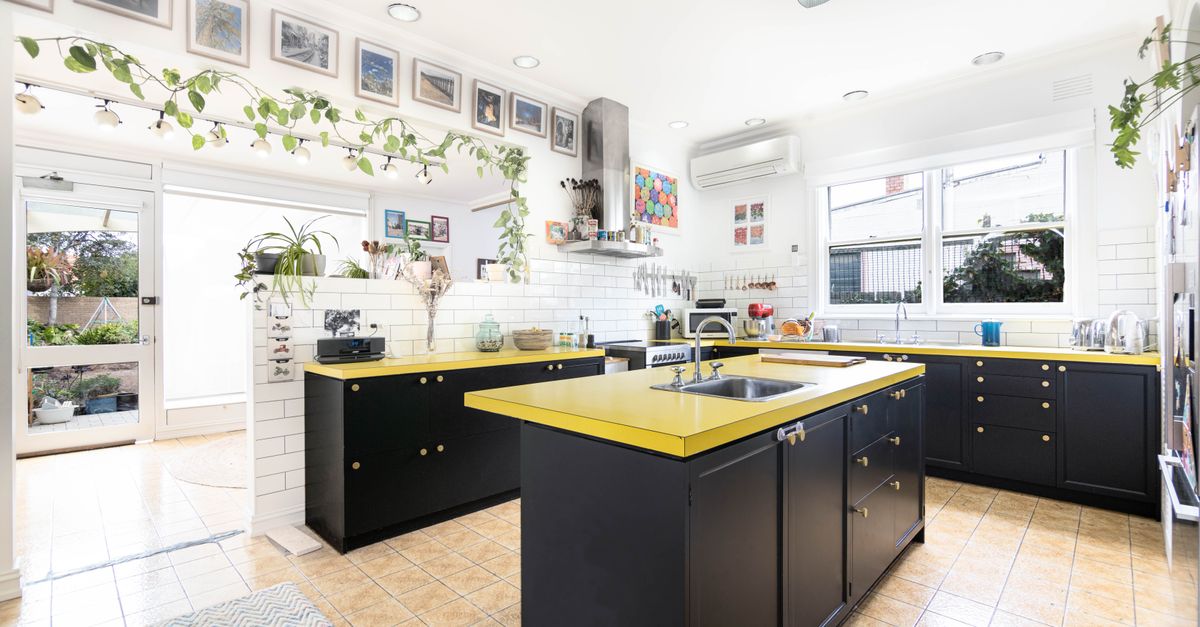
The Future of Smart Cabinetry: Trends to Watch
Table Of Contents
Security Features in Smart Cabinets
Advancements in technology have greatly enhanced the security features of smart cabinetry. Modern systems often incorporate biometric scanners, allowing only authorized individuals to access their contents. These cabinets can also be integrated with home security systems, providing real-time alerts and remote monitoring. Features like automatic locking mechanisms can secure the cabinet once it closes, ensuring that valuables are protected from unauthorized access.
In addition to biometric access, many smart cabinets now utilize encryption and cloud storage to safeguard sensitive information. This means that digital locks can be operated via mobile applications, enabling users to grant or revoke access effortlessly. Some models even include surveillance cameras that can record activity, further adding a layer of security. As technology evolves, manufacturers continue to innovate, making security a top priority in the design of smart cabinetry.
Protecting Your Valuables with Technology
Modern technology has significantly enhanced security solutions for safeguarding valuables. Smart cabinets are now equipped with biometrics, facial recognition, and advanced locking systems that go far beyond traditional mechanisms. These innovative features not only restrict access but also provide real-time alerts to owners about unauthorized attempts. Such capabilities ensure that personal belongings remain secure, giving users peace of mind.
Remote monitoring has become a hallmark of smart cabinetry, allowing owners to manage their cabinets through mobile applications. Users can lock or unlock their cabinets from anywhere, track access history, and receive notifications when the cabinet is being accessed. The integration of such technology creates a comprehensive security framework, making it increasingly difficult for potential intruders to bypass defenses. As smart cabinets continue to evolve, their ability to protect valuables aligns closely with advancements in technology.
The Role of 3D Printing
The integration of 3D printing technology in the production of smart cabinetry is transforming the way these functional pieces are designed and manufactured. Designers can now create intricate, customized components that cater to the unique needs of individual users. This innovation allows for intricate shapes and structures that were previously unfeasible with traditional manufacturing methods. Additionally, the ability to quickly prototype different designs ensures that manufacturers can refine products before they go into mass production, optimizing both function and aesthetics.
Sustainability is also a significant advantage offered by 3D printing in cabinetry. This technology promotes reduced waste and energy consumption throughout the manufacturing process. Companies can utilize eco-friendly materials, minimizing their environmental impact while producing durable and stylish solutions for consumers. As the technology continues to evolve, smart cabinets can become even more personalized, further enhancing user experience and satisfaction in modern living spaces.
Innovative Designs in Smart Cabinet Manufacturing
Advancements in technology have led to a wave of innovative designs in smart cabinetry. Manufacturers now utilize materials that enhance durability while incorporating sleek aesthetics tailored to various interior styles. Modular designs allow users to customize their cabinetry, optimizing space and functionality. Integrated lighting and motion sensors are becoming standard features. These additions not only elevate visual appeal but also enhance user experience by ensuring accessibility and visibility.
The intersection of smart technology and cabinetry design is growing increasingly pronounced. Features such as adjustable shelving and collapsible compartments are gaining traction, providing users with flexible storage solutions. New methods of automation also play a significant role in redefining traditional cabinetry. Voice activation, touch-sensitive controls, and app connectivity are now commonplace. This blend of practicality and smart innovation transforms how individuals interact with their storage spaces.
Health and Wellness Focus
The integration of smart cabinetry into homes reflects a growing emphasis on health and wellness. Advanced technologies are now utilized to enhance organization and promote cleaner living spaces. For example, cabinets equipped with air purifiers can effectively reduce allergens and improve indoor air quality. Furthermore, some designs incorporate humidity control systems to preserve food and other items, ensuring they stay fresh and reducing waste.
In addition to improving air quality, smart cabinets are increasingly featuring antimicrobial surfaces. These innovations help inhibit the growth of bacteria and viruses, making them ideal for kitchens and bathrooms. The incorporation of lighting features also aids in visibility, encouraging users to maintain clean and tidy environments. Overall, these advancements illustrate a clear commitment to enhancing both physical and mental well-being through more mindful design choices.
Features Promoting Hygiene and Organization
Modern smart cabinetry incorporates features designed to enhance hygiene and promote organization in homes. Built-in UV sanitization lights can eliminate bacteria and viruses from surfaces when cabinets are closed. Additionally, these cabinets often include adjustable shelving and customizable compartments, allowing users to organize items efficiently and access them easily.
Moreover, sensors within these smart cabinets help monitor humidity levels to prevent the growth of mold and mildew. Voice command functionality streamlines the process of locating items, ensuring that everything has a designated space. The combination of technology and thoughtful design contributes to a cleaner and more organized living environment, aligning with contemporary health-focused lifestyles.
FAQS
What are smart cabinets?
Smart cabinets are technologically advanced storage solutions that integrate features such as smart locks, sensors, and connectivity options to enhance security, organization, and functionality.
How do security features in smart cabinets work?
Security features in smart cabinets often include biometric locks, remote locking and unlocking via smartphones, and built-in alarms, providing advanced protection for valuable items.
What role does 3D printing play in smart cabinetry?
3D printing allows manufacturers to create innovative and customized designs for smart cabinets, enabling unique shapes, functions, and features that traditional manufacturing methods cannot achieve.
How do smart cabinets contribute to health and wellness?
Smart cabinets promote health and wellness through features like touchless opening systems, antimicrobial materials, and organizational tools that help maintain cleanliness and reduce clutter.
What are some trends to watch for in the future of smart cabinetry?
Key trends include enhanced security technologies, increased customization through 3D printing, a focus on health and hygiene, and the integration of smart home systems for seamless connectivity.
Related Links
Designing Cabinets for Optimal Space EfficiencyIntegrating Technology for Smart Storage Solutions
Custom Cabinet Solutions for Small Spaces
Clever Use of Vertical Storage in Cabinetry
Enhancing Accessibility with Smart Storage Designs
The Benefits of Pull-Out Cabinet Systems
The Rise of Multi-Functional Cabinets in Modern Homes
Organising with Style: Smart Solutions for Every Room