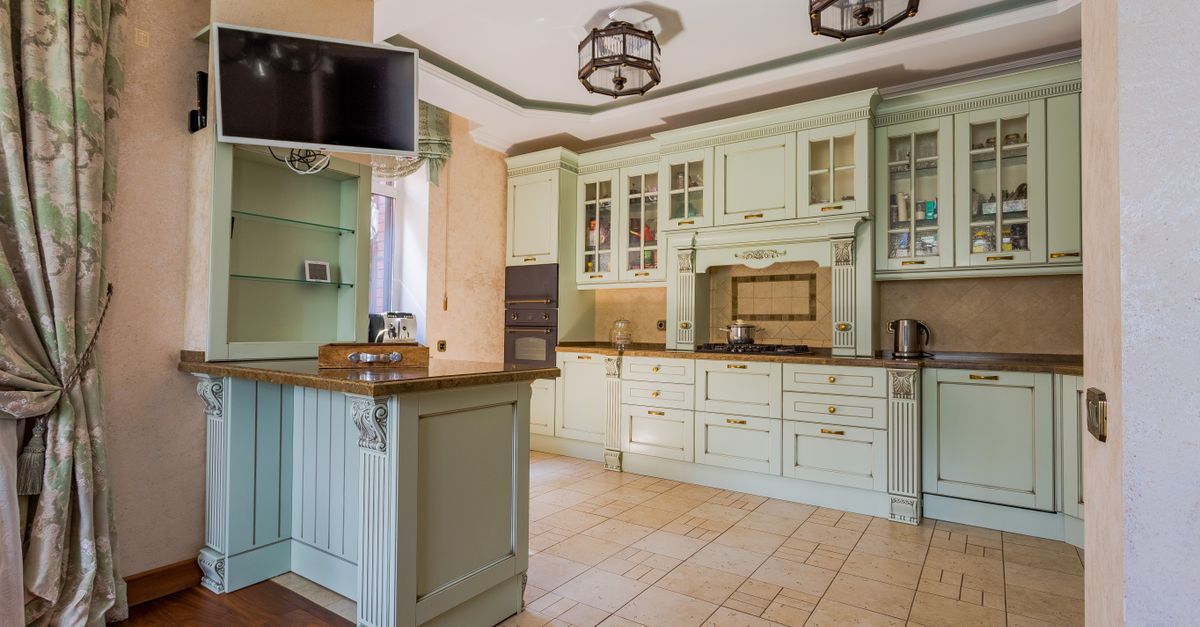
The Essence of Minimalism: Key Features of Cabinet Design
Table Of Contents
The Importance of Clean Lines
Clean lines play a critical role in minimalism, bringing a sense of order and serenity to cabinet design. This visual clarity helps to eliminate distractions, allowing the eyes to focus on the overall aesthetic rather than intricate details. Straight edges and seamless surfaces contribute to a cohesive look, thereby enhancing the overall functionality of the space. Designers often leverage these lines to create an illusion of expanded spatial dimensions while avoiding visual clutter.
The appeal of clean lines lies not only in their design efficiency but also in their ability to evoke a calming atmosphere. In modern interiors, where distractions are abundant, a cabinet with well-defined lines promotes a tranquil environment. Such designs encourage a seamless flow throughout the room, contributing to a harmonious experience that resonates with minimalist principles. By prioritizing simplicity through this structural approach, cabinet designs reinforce the idea that less truly can be more.
Emphasizing Simplicity in Cabinet Structures
Minimalist cabinet design revolves around the idea of stripping away unnecessary embellishments. This focus on simplicity allows for a streamlined look that helps create a sense of calm in any space. Clean and understated shapes define minimalist cabinets, often featuring flat surfaces and smooth finishes. Such structures facilitate a more open atmosphere, providing visual relief and enhancing overall aesthetics.
Incorporating functional elements without sacrificing style is essential in achieving minimalist cabinet structures. Hardware often takes on a subtle form, blending seamlessly into the design. Materials such as wood, metal, and glass are utilized in ways that highlight their natural beauty while serving practical purposes. This balance between form and function is key, allowing cabinets to perform their roles efficiently without dominating the space.
Innovative Storage Solutions
In contemporary cabinet design, the need for efficient storage solutions has taken center stage. Cleverly designed cabinetry can transform small spaces into functional areas while maintaining an uncluttered appearance. Features like pull-out shelves, hidden compartments, and built-in dividers enhance accessibility and organization. Such innovations help individuals maximize every inch of storage without overwhelming visual aesthetics.
Furthermore, modular units allow for customization, enabling users to adapt their cabinet systems to fit unique needs. These adaptable designs often include multi-use furniture pieces that integrate seamlessly into living spaces. Closets and kitchen cabinets that incorporate vertical storage options or sliding panels create an illusion of spaciousness. By focusing on these practical yet stylish solutions, minimalist cabinet design fosters both order and tranquility in the home.
Maximizing Space Without Clutter
Effective cabinet design hinges on the ability to maximize space while maintaining a clean and uncluttered aesthetic. Incorporating features such as pull-out shelves, hidden compartments, and modular systems allows homeowners to utilize every inch without overwhelming the eye. By prioritizing organization and thoughtful layout, cabinets can provide ample storage while seamlessly integrating into the overall design.
A strategic approach to storage can eliminate the need for extraneous furniture, which tends to create visual clutter. Vertical space offers significant potential; using tall cabinets or wall-mounted solutions optimizes floor area and draws the eye upward, enhancing the perception of roominess. The careful selection of materials and colors can further amplify this effect, establishing an atmosphere of calm and simplicity throughout the space.
Lighting Techniques in Minimalist Design
In minimalist design, lighting plays a crucial role in enhancing the overall aesthetic of the space. Simple fixtures and subtle lighting create a serene atmosphere while allowing other design elements to shine. The use of recessed lighting or pendant fixtures can help illuminate areas without overwhelming the visual simplicity. These choices contribute to a more open feeling and a sense of tranquility in the environment.
Strategic placement of lighting can emphasize architectural features or focal points within a room. By using soft, warm light, designers can highlight textures and colors without creating harsh contrasts. Dimmers are also a practical addition, allowing for adjustments based on mood and time of day. This approach not only maintains the minimalist ethos but also enhances the functionality of the space.
Enhancing Ambiance with Strategic Lighting
Lighting plays a crucial role in establishing the overall atmosphere in a minimalist space. Thoughtfully placed fixtures can highlight the clean lines and simple forms commonly found in minimalistic cabinet designs. Natural lighting should be maximized, allowing sunlight to illuminate the area and accentuate the sleekness of cabinet structures. Strategically placed artificial lighting can create focal points, enhancing the visual appeal while maintaining simplicity.
Furthermore, the choice of light color can influence the mood significantly. Warm-toned lights foster a welcoming ambiance, while cooler hues can impart a sense of calm and clarity. Dimmable lighting options allow for versatility, enabling users to adjust brightness levels based on the time of day or the activity at hand. By focusing on these lighting strategies, the minimalist design becomes more than just functional; it transforms into an experience that balances aesthetics with practicality.
FAQS
What is minimalism in cabinet design?
Minimalism in cabinet design focuses on simplicity, clean lines, and functionality, often characterized by a lack of ornate details and an emphasis on essential elements.
Why are clean lines important in minimalist cabinet design?
Clean lines create a sense of order and tranquility, helping to create a visually pleasing environment while allowing the functionality of the cabinets to shine without distraction.
How can I maximize storage space in a minimalist kitchen?
Innovative storage solutions such as pull-out shelves, hidden compartments, and vertical storage can help maximize space without creating clutter, aligning with minimalist principles.
What lighting techniques enhance a minimalist cabinet design?
Strategic lighting, such as under-cabinet LED lights or recessed lighting, can enhance ambiance and highlight the simplicity of cabinet design, adding warmth without overwhelming the space.
Can minimalist cabinet design work in small spaces?
Yes, minimalist cabinet design is particularly effective in small spaces as it prioritizes functionality and uses innovative storage solutions to maximize space while maintaining a clean aesthetic.
Related Links
Top Minimalist Cabinet Trends for Modern Homes in NewcastleBlending Form and Function in Minimalist Cabinetry
Minimalist Cabinetry: Achieving Cohesion in Open-Plan Living
Sustainability Meets Minimalism: Eco-Friendly Cabinet Options
Creating Space: The Impact of Minimalist Cabinet Styles on Small Areas
Innovative Designs: Minimalist Cabinets that Maximise Storage