Navigating Style Choices During Cabinet Design Consultations
Table Of Contents
Custom vs. Ready-Made Cabinets
When designing a kitchen or bathroom, one of the primary decisions revolves around choosing between custom and ready-made cabinets. Custom cabinets offer a tailored solution, allowing homeowners to select materials, finishes, and dimensions that perfectly fit their space and style preferences. This option often results in a unique look that aligns with specific design visions. However, the bespoke nature comes with a higher price tag and longer lead times, which may not suit every budget or timeline.
On the other hand, ready-made cabinets provide a more accessible alternative. They are typically available in standard sizes and designs, making them easier to obtain and install quickly. This route can be quite cost-effective, catering to budget-conscious homeowners aiming for a revamped space without extensive customization. Yet, the limitation in style and sizing may require compromises in achieving the desired aesthetic or functionality, depending on the existing layout and personal taste.
Weighing the Pros and Cons of Each Option
When considering custom cabinets, one significant advantage is the ability to tailor every aspect to individual preferences, ensuring a perfect fit for specific spaces. These cabinets offer limitless design options, enabling homeowners to select materials, finishes, and hardware that align with their unique style. However, this customization often comes with a higher price tag, and extended lead times are required for production and installation, which can lead to project delays.
On the other hand, ready-made cabinets present a practical and cost-effective alternative for those with budget constraints. They typically come pre-fabricated, offering quicker installation and often lower prices, making them suitable for a wide range of projects. Nevertheless, their limited design choices can fall short in meeting precise needs or preferences. Homeowners may find that these options do not fully complement their existing décor or maximize their space efficiency.
Space Planning Considerations
Effective space planning is essential for maximizing both functionality and aesthetics in cabinet design. Understanding the dimensions of the room and how the layout interacts with existing elements like appliances and fixtures is crucial. Cabinets should not only serve their intended purpose but also contribute to a seamless flow throughout the space. This involves careful consideration of door swings, ease of access, and the overall arrangement of work areas, ensuring that any cabinetry enhances the user experience within the environment.
Incorporating storage solutions that reflect individual needs can significantly impact organization and efficiency. Customizing cabinet heights, depths, and configurations allows homeowners to address their specific requirements while maintaining visual appeal. Strategic placement of cabinets can create visually pleasing lines and highlight focal points in the room. Additionally, thoughtful integration of lighting within cabinet designs can emphasize the features and textures of the cabinetry, further enhancing the ambiance and usability of the space.
Optimizing Layout for Functionality and Flow
In any cabinet design consultation, prioritizing the layout is essential for creating a functional space. Consideration should be given to the various ways cabinets will interact with other elements in the room. Proper spacing can enhance movement, allowing individuals to navigate easily while cooking, cleaning, or entertaining. The location of key appliances and workstations also plays a crucial role in how efficiently a kitchen or storage area operates.
Flexibility in the design can further enhance usability. Modular systems often permit rearrangement for evolving needs, which is particularly beneficial in creative environments where adaptability is key. Additionally, aiming for an ergonomic arrangement can reduce strain during regular tasks. Thoughtful placement of cabinets can ensure that frequently used items are easily accessible, promoting a seamless workflow. By evaluating these aspects, the final design can achieve a greater sense of harmony and efficiency.
Trends in Cabinet Design
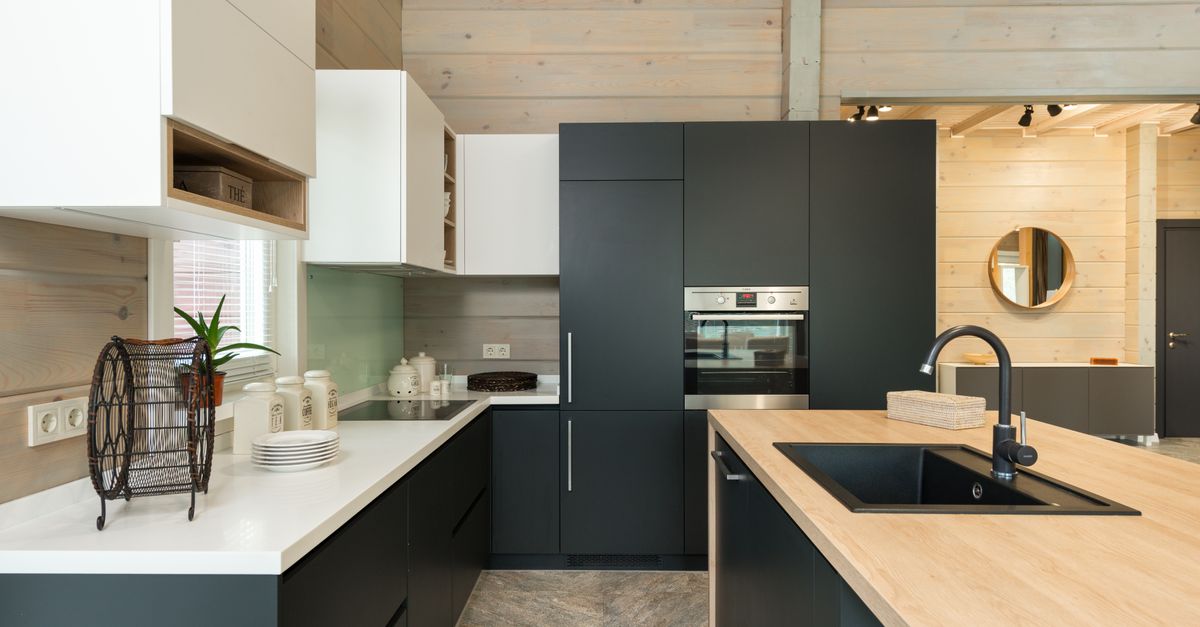
The cabinet design landscape continually evolves, influenced by shifts in lifestyle, technology, and aesthetics. Bold colors have emerged as a favorite choice, stepping away from the traditional white and wood finishes. Rich hues like navy blue and forest green create a striking contrast in kitchens while making a strong style statement. Mixing materials has also become popular, with designers incorporating metal accents, glass doors, and textured finishes to add depth and interest to cabinetry.
Sustainability now plays a vital role in cabinet selection. Many homeowners are prioritizing eco-friendly materials and finishes, reflecting a wider societal shift towards greener living. Natural wood and low-VOC finishes are increasingly favored, aligning personal style with environmental consciousness. Additionally, smart technology is finding its way into cabinet design, with features like built-in charging stations and sensor-activated lighting enhancing functionality and convenience.
Incorporating Modern Elements While Staying Timeless
Combining contemporary designs with classic aesthetics can create a harmonious space that feels both fresh and enduring. Minimalist hardware and sleek cabinet lines can introduce a modern vibe, while wood finishes and traditional shapes ground the design. By emphasizing natural materials, such as oak or walnut, it is possible to achieve a balance where modern trends do not overshadow timeless elegance.
Utilizing neutral color palettes allows for versatility in accenting modern features without detracting from the overall cohesive look. Carefully chosen textures, such as matte finishes or brushed metals, can convey a sense of sophistication. This approach recognizes the importance of both current design movements and enduring styles, ensuring that the cabinets remain attractive for years to come.
FAQS
What is the difference between custom and ready-made cabinets?
Custom cabinets are designed and built to fit specific dimensions and personal preferences, offering a unique look and functionality. Ready-made cabinets are pre-manufactured and available in standard sizes, which can be more cost-effective and quicker to install.
What are the advantages of choosing custom cabinets?
Custom cabinets allow for personalized design, optimal use of space, and the choice of materials and finishes. They can also enhance the overall aesthetic of your kitchen or bathroom by fitting perfectly into the intended area.
How can I optimize space planning during my cabinet design consultation?
Focus on measuring your space accurately and considering the workflow of your kitchen or bathroom. Discuss your needs with a designer to create a layout that maximizes storage while ensuring functionality and flow.
What are some current trends in cabinet design?
Current trends include incorporating minimalist designs, bold colors, mixed materials, and smart storage solutions. However, it's important to balance trendy elements with timeless features to ensure long-lasting appeal.
How can I ensure my cabinet design stays timeless?
Choose classic styles, neutral colors, and quality materials that won’t easily go out of style. Incorporate modern elements sparingly to add a contemporary touch without compromising the overall timelessness of the design.
Related Links
Collaborating with Your Cabinet Expert for Optimal FunctionalityTailoring Your Space: How Cabinet Design Consultations Work
Exploring the Benefits of Virtual Cabinet Design Consultations
The Role of Technology in Modern Cabinet Design Consultations
Common Misconceptions about Cabinet Design Consultations
Tips for Communicating Your Vision in Cabinet Design Consultations