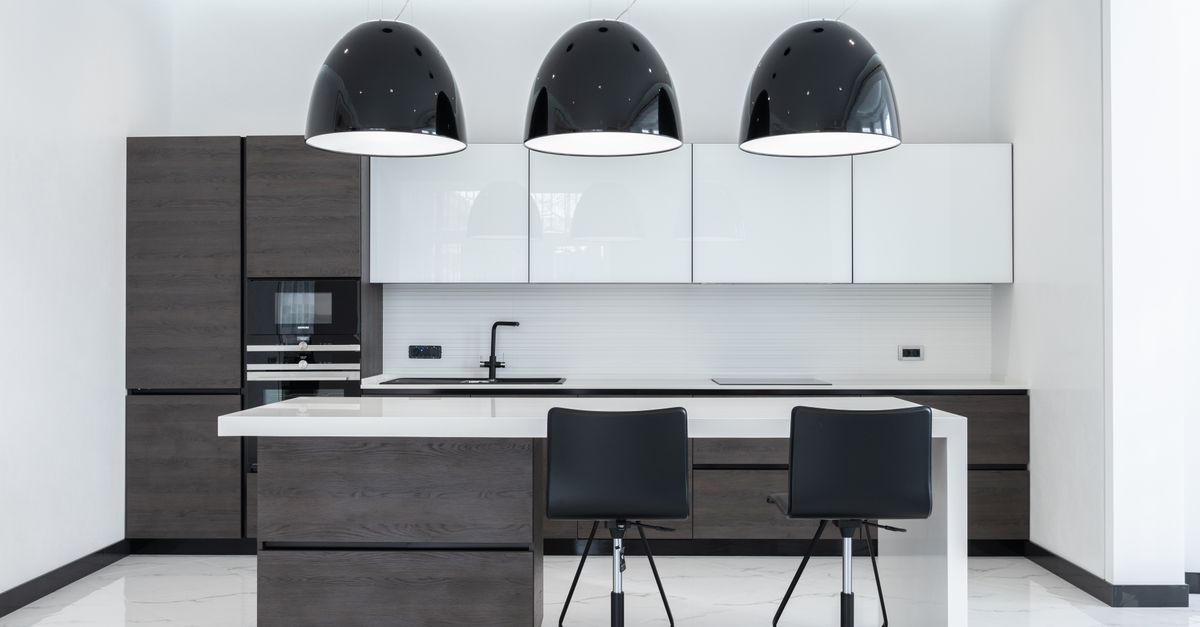
Exploring Personalised Cabinet Designs for Modern Homes
Table Of Contents
Collaborating with Designers for Tailored Solutions
Working alongside a designer can elevate the process of crafting personalized cabinet solutions. A skilled designer brings knowledge of current trends, materials, and functionality, ensuring the finished product meets both aesthetic and practical needs. Establishing a clear line of communication from the outset is essential. Discussing specific preferences and lifestyle requirements allows the designer to tailor the project according to individual tastes, ensuring the result feels unique and reflective of the homeowner's personality.
An effective collaboration should also focus on mutual trust. Designers often suggest innovative ideas that may initially seem unconventional but can enhance overall functionality. Homeowners should remain open to these suggestions while expressing their own concerns and desires. This exchange fosters creativity, leading to custom cabinetry that not only complements the home but also serves the needs of its inhabitants efficiently.
How to Communicate Your Vision Effectively
Articulating your vision to a designer requires clarity and specificity. Begin by identifying your needs and preferences in terms of style, functionality, and materials. Consider creating a mood board or collecting images from magazines and online platforms that reflect the aesthetic you envision. This visual reference will serve as a useful tool, enabling the designer to grasp the overall ambience you want to create.
Engaging in open dialogue throughout the design process is essential. Regular check-ins and discussions about your preferences ensure the design stays aligned with your expectations. Don’t hesitate to share feedback as concepts evolve. A successful collaboration hinges on the designer's ability to interpret your ideas, making it crucial to be candid about what resonates with you and what doesn’t.
Incorporating Technology into Cabinet Designs
The integration of technology in cabinet designs can significantly enhance functionality and user experience. Modern cabinetry can incorporate smart features such as touch-sensitive lighting, automated doors, and built-in charging stations for devices. These technological advancements not only streamline daily tasks but also add a layer of sophistication to home interiors. Additionally, using sensors for climate control can protect sensitive items stored in cabinets, further adding value to customized designs.
Embracing smart home integration allows cabinetry to interact seamlessly with other appliances and systems in the home. Installing USB outlets or smart speakers within or near cabinets creates a more efficient workspace. Designers can also explore the use of app-controlled lighting to adjust brightness levels based on time of day or mood. As technology continues to evolve, the possibilities for innovative cabinetry solutions become increasingly expansive, ensuring that personalization meets modern needs.
Smart Features for Modern Living Spaces
In today’s homes, integrating technology into cabinetry can significantly enhance functionality and convenience. Features like built-in charging stations, wireless speakers, and automatic lighting systems streamline daily tasks and create a seamless environment. Smart cabinets can incorporate sensors that help manage storage efficiently by notifying users when items are running low or need replacing. These innovations contribute to a more organized and user-friendly space, aligning with the fast-paced lifestyle of modern living.
In addition to improving usability, smart cabinetry often focuses on energy efficiency. Touch-sensitive lighting and adjustable shelves that respond to user preferences can optimize the use of space in aesthetically pleasing ways. Homeowners appreciate designs that not only meet their practical needs but also elevate their living experience through technology. As custom cabinetry evolves, these features play a crucial role in shaping the future of interior design, ensuring that each piece is not just a functional element but also a smart investment.
Budgeting for Custom Cabinetry
Custom cabinetry can significantly enhance the aesthetic and functionality of your space, but it’s essential to approach budgeting carefully to avoid unexpected expenses. Start by determining a clear budget based on your overall renovation costs. Consider gathering quotes from multiple suppliers to understand the going rates for materials and craftsmanship. This research can provide insights into which features are essential versus those that might be luxuries, guiding your decisions as you create your cabinetry.
To manage costs effectively, explore various materials and finishes that offer a balance between durability and affordability. High-quality plywood, laminate, or medium-density fiberboard (MDF) can be cost-effective options that still look great. Additionally, consider prioritizing key areas where custom cabinetry will have the most impact, allowing you to allocate your budget more wisely. Investing in certain aspects, like the kitchen or living area, while opting for simpler designs in less viewed spaces can be a smart strategy to optimize both style and cost.
Strategies to Manage Costs Without Sacrificing Quality
Creating a budget for custom cabinetry can be daunting, but there are effective strategies to achieve a balance between cost and quality. One approach is to prioritize elements based on their impact and visibility. Opting for high-quality materials in key areas while using more affordable options elsewhere allows for a visually appealing result without exceeding financial limits. Additionally, researching various suppliers can lead to discovering competitive pricing and potential discounts that help stretch the budget further.
Another way to manage costs is by utilizing standard sizes and designs instead of fully bespoke options. Custom pieces can quickly escalate in price, so incorporating semi-custom cabinetry can maintain a level of personalization while still offering a more economical solution. Collaborating with a skilled designer can also enhance cost management by ensuring that the final product meets aesthetic goals and functional needs without unnecessary expenditures. Thoughtful planning and informed choices can yield exceptional results that reflect a homeowner's unique style while staying financially responsible.
FAQS
What are the benefits of collaborating with a designer for custom cabinet solutions?
Collaborating with a designer ensures that your cabinets are tailored to your specific needs and preferences, maximizing both functionality and aesthetics. Designers can also provide expert advice on materials, styles, and layouts that you might not have considered.
How can I effectively communicate my vision for personalized cabinets to my designer?
To communicate your vision effectively, gather inspiration from magazines, websites, and social media. Create a mood board that includes colors, styles, and materials you like. Be clear about your needs, such as storage solutions and design preferences, and encourage open dialogue with your designer.
What smart features can I incorporate into my cabinet designs?
Smart features can include built-in lighting, charging stations, integrated appliances, and organizational systems like pull-out shelves or lazy Susans. These features enhance convenience and efficiency, making your cabinets more functional for modern living spaces.
How can I budget for custom cabinetry without compromising on quality?
Begin by setting a realistic budget based on your priorities. Research materials and finishes that fit your budget while still offering quality. Consider working with a designer to explore cost-effective solutions, like selecting less expensive hardware or opting for a hybrid design that combines custom and pre-made elements.
What factors should I consider when choosing materials for custom cabinets?
When choosing materials, consider durability, maintenance, and aesthetics. Popular choices include plywood, MDF, and solid wood. Factor in your lifestyle, as some materials may require more upkeep than others. It's also important to choose finishes that complement your home's overall design.
Related Links
Innovative Custom Features in Newcastle Cabinetry TrendsUnique Customisation Options to Suit Every Lifestyle
Combining Form and Function with Customised Cabinetry
Emerging Customisation Techniques in Cabinet Design
The Future of Tailored Cabinet Solutions in Interior Design
The Impact of Individual Style on Custom Cabinet Designs
Trends in Custom Finishes for Bespoke Cabinets
The Rise of Bespoke Cabinet Solutions in Newcastle
Tailoring Cabinetry: How Customisation Enhances Functionality