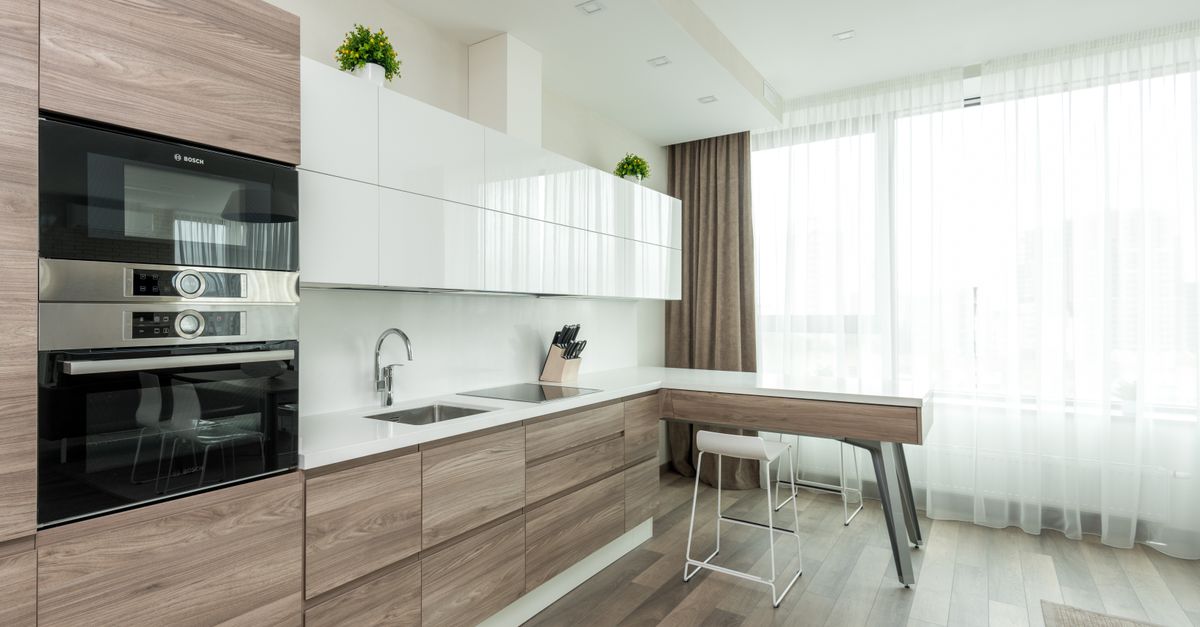
Combining Style with Sustainability in Kitchen Cabinets
Table Of Contents
The Role of Certifying Bodies
Certifying bodies play a crucial role in ensuring that kitchen cabinets meet specific sustainability standards. These organizations evaluate materials and manufacturing processes, verifying compliance with environmental regulations. They provide consumers with credible information about the eco-friendliness of products. Shoppers can make informed choices based on these certifications. Recognized labels help demystify the green claims made by manufacturers.
Different certifications focus on various aspects of sustainability, such as the sourcing of materials, energy efficiency, and the overall environmental impact. Consumers can look for labels like the Forest Stewardship Council (FSC), which ensures wood products come from responsibly managed forests, or the Greenguard certification, which emphasizes low chemical emissions. Understanding these labels enables consumers to support brands that prioritize sustainability. These certifications contribute to a stronger market for eco-friendly kitchen solutions.
Understanding Green Certifications for Cabinetry
The importance of green certifications in cabinetry cannot be overstated. These certifications, issued by various environmental organizations, serve as benchmarks for sustainability and quality. They often consider the materials used, the manufacturing processes involved, and even the end-of-life recyclability of the products. Consumers benefit from these certifications by gaining assurance that their choices contribute positively to the environment and support responsible manufacturing practices.
Familiarity with prominent green certifications helps in making informed decisions. For instance, the Forest Stewardship Council (FSC) label indicates that wood products come from responsibly managed forests. Similarly, certifications like GREENGUARD and the EPA's Safer Choice Program highlight low-emission and low-toxicity options. Understanding these labels allows homeowners to select cabinetry that aligns with their values while maintaining a commitment to style and functionality.
Maintenance Tips for Sustainable Cabinets
Sustainable cabinets require attentive care to maintain their eco-friendly materials and finishes. Regular dusting with a soft, dry cloth helps prevent buildup that can damage surfaces. Using mild, biodegradable cleaners protects the integrity of natural finishes without introducing harmful chemicals. Avoiding harsh abrasives ensures the cabinet surfaces remain smooth and visually appealing.
Moisture control is another essential factor in preserving sustainability. Ensuring proper ventilation in the kitchen can minimize humidity and reduce the risk of warping or mold growth. Promptly cleaning up spills keeps surfaces safe from potential damage. Periodic inspections for loose hardware or signs of wear can help extend the life of cabinetry, maintaining its function and aesthetic appeal for years to come.
Long-Lasting Care to Preserve Eco-Friendly Features
Maintaining eco-friendly cabinets involves using gentle cleaning solutions that do not contain harsh chemicals. Natural cleaners made from ingredients like vinegar or baking soda are effective in keeping surfaces clean while being safe for the environment. Regular dusting and avoiding abrasive materials can help preserve the finish and integrity of sustainable materials. Many eco-friendly finishes also require occasional reapplication to maintain their durability and aesthetic appeal, ensuring that the cabinets remain looking fresh over time.
Inspecting the cabinets periodically for signs of wear is crucial for long-lasting care. Addressing minor damages promptly can prevent more significant issues down the line. For instance, addressing scratches and dings with suitable repair kits can help maintain the integrity of eco-friendly wood finishes. Proper ventilation in the kitchen reduces moisture issues, protecting the cabinets from warping and other potential damage. Following these maintenance practices enhances the longevity of sustainable cabinetry, securing their eco-friendly attributes for years to come.
The Cost of Sustainability in Kitchen Design
Investing in sustainable kitchen design often comes with a higher upfront cost compared to traditional options. Eco-friendly materials such as reclaimed wood or certified bamboo, while environmentally responsible, can be more expensive due to sourcing and production processes. Furthermore, cabinetry designed with sustainability in mind usually involves additional certifications and adherence to strict manufacturing standards, which can also affect the price.
Despite the initial investment, quality sustainable cabinets tend to offer long-term savings. Durable materials and craftsmanship lead to longevity, reducing the need for replacements. Additionally, energy-efficient features associated with sustainable designs can lead to lower utility bills over time. Homeowners should factor these long-term benefits into their budgeting, ensuring that eco-conscious choices align with their financial plans.
Budgeting for Eco-Conscious Cabinet Choices
Investing in eco-conscious cabinets often entails a higher upfront cost due to the sustainable materials and responsible manufacturing processes involved. However, homeowners should consider long-term savings associated with energy efficiency and durability. Eco-friendly cabinets frequently come with finishes that protect against wear and tear, extending their lifespan. This durability can lead to reduced replacement costs and a lower environmental impact over time.
When budgeting for sustainable options, it’s essential to explore various suppliers and compare prices while keeping an eye on certifications that affirm their eco-friendly standards. Prioritizing local manufacturers can also be a cost-effective choice, as it minimizes transportation emissions and supports the local economy. Allocating funds for the initial investment in sustainable cabinetry can pave the way for a healthier home environment and contribute to meaningful environmental stewardship.
FAQS
What are green certifications for kitchen cabinetry?
Green certifications for kitchen cabinetry are standards and labels that indicate a product meets specific environmental criteria, ensuring it is made from sustainable materials, produced through eco-friendly processes, and is safe for indoor air quality.
How do I know if my kitchen cabinets are sustainably sourced?
To determine if your kitchen cabinets are sustainably sourced, look for certifications such as FSC (Forest Stewardship Council) or SFI (Sustainable Forestry Initiative), which indicate responsible sourcing of wood. Additionally, ask your supplier for information on the materials used and their sustainability practices.
What maintenance is recommended for sustainable kitchen cabinets?
To maintain sustainable kitchen cabinets, use gentle, eco-friendly cleaners, avoid harsh chemicals, and regularly wipe down surfaces to prevent buildup. Additionally, check for any loose hardware and fix it promptly to prolong the cabinet's lifespan.
Are sustainable kitchen cabinets more expensive than traditional options?
Sustainable kitchen cabinets can be more expensive upfront due to the use of higher-quality materials and eco-friendly manufacturing processes. However, they often provide long-term savings through durability and lower maintenance costs.
How can I budget for eco-conscious kitchen cabinet choices?
To budget for eco-conscious kitchen cabinet choices, start by researching various suppliers and comparing prices of certified products. Allocate a portion of your kitchen remodel budget specifically for sustainable options and consider the long-term value they provide in terms of durability and health benefits.
Related Links
The Impact of Sustainable Sourcing on Cabinet DesignsHow to Choose Low-VOC Products for Cabinetry
Natural Stone Materials: An Eco-Conscious Choice
Trends in Upcycled Wood for Unique Cabinet Solutions
Innovations in Biodegradable Cabinet Materials
Benefits of Using Bamboo in Cabinet Manufacturing